Network & Connectivity Solutions for Manchester city

Network & Connectivity Solutions for Manchester city

Trusted by over 40,000 + UK businesses

Powering Manchester Businesses – Network & Connectivity Solutions

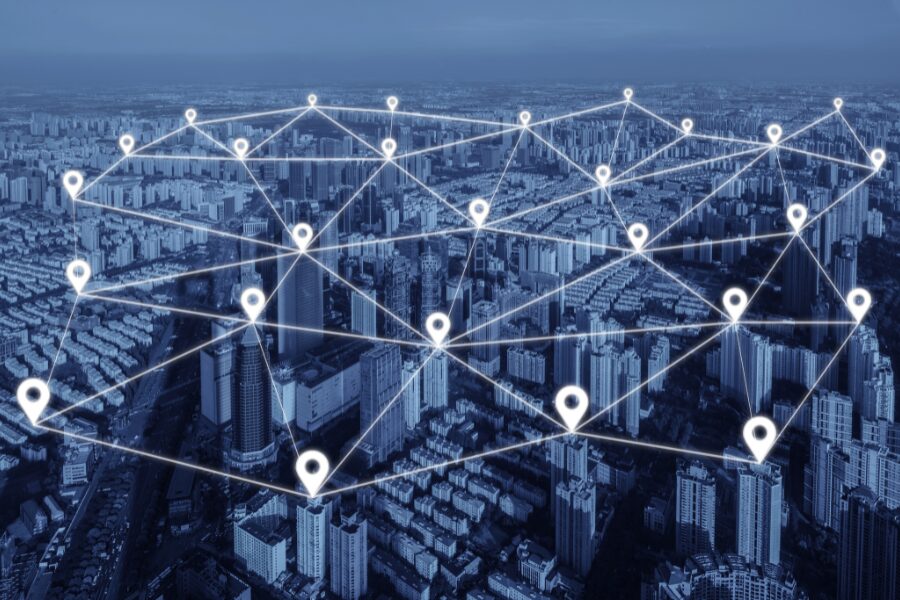
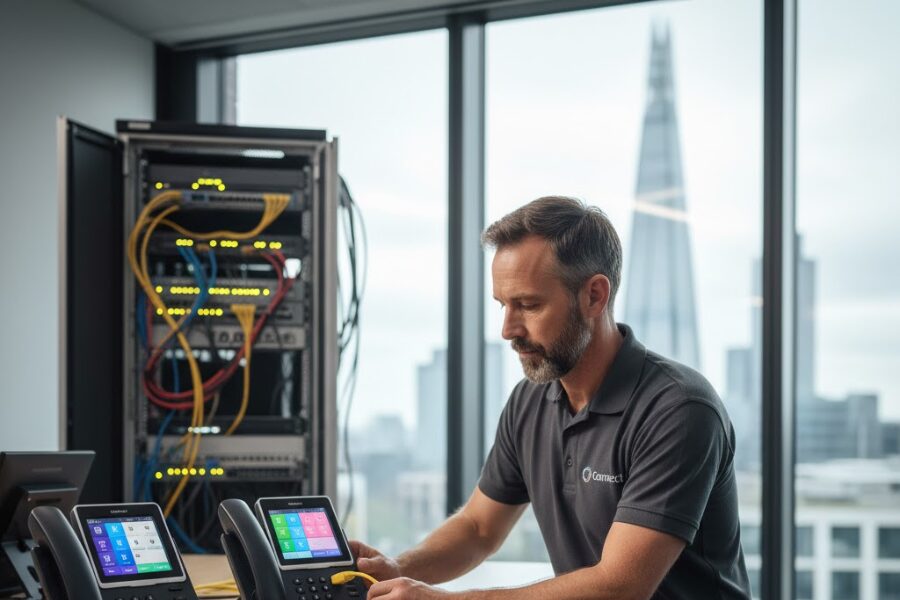
In Manchester’s dynamic economy, robust network and connectivity solutions are essential. Businesses across the city rely on fast, reliable internet access to thrive. Options range from widespread high-speed fibre broadband (FTTP) and dedicated leased lines offering guaranteed performance, to expanding 5G mobile networks providing flexible wireless connectivity.

Investing in modern connectivity ensures Manchester businesses can fully leverage cloud computing, support hybrid working models, utilise VoIP communications, and stay competitive. Crucially, upgrading is vital to prepare for the PSTN switch-off (ending by Jan 2027), which requires all businesses to move off old copper lines. Secure, scalable, and fast connectivity is the backbone for success in Manchester city.

Reliable Business Network & Connectivity Solutions for Manchester city

Assuming you are asking about the most significant historical locations that tell the story of Manchester as a city, here is a brief history based on its key areas. Manchester’s history is defined by its transformation from a Roman settlement into the world’s first industrial city.
  1. Castlefield (Roman & Canal Era): This is the birthplace of Manchester. It was the site of the original Roman fort of Mamucium (c. 79 AD). Centuries later, this same area became the hub of the Industrial Revolution as the terminus of the Bridgewater Canal (1764), the world’s first true industrial canal, built to transport coal.
  2. Ancoats (Industrial Mills Era): As the Industrial Revolution boomed, Ancoats became the “world’s first industrial suburb.” It was densely packed with enormous steam-powered cotton mills (like Murrays’ Mills), which earned Manchester the nickname “Cottonopolis.”
  3. Liverpool Road Station (Railway Era): Also in the Castlefield area, this is the site of the world’s oldest surviving passenger railway station. It was the Manchester terminus for the Liverpool and Manchester Railway (1830), the first-ever inter-city railway, which effectively launched the age of steam travel. The original 1830 station building is now part of the Science and Industry Museum.
  4. Albert Square (Victorian Civic Era): Dominated by the magnificent Manchester Town Hall (completed in 1877), this area represents the peak of the city’s global power and immense wealth. The neo-Gothic building was a statement of Manchester’s civic pride and dominance in the 19th century.

There is one main airport serving Manchester:

  • Manchester Airport (IATA code: MAN).

It has also been known by other names historically:

  • Manchester International Airport (its official name for a period, and still commonly used).
  • Ringway Airport (its original name).

There is also a smaller general aviation airfield called Manchester Barton Aerodrome, sometimes referred to as City Airport.

Here are some of the most popular places to explore in Manchester city:

  1. The Northern Quarter: Explore Manchester’s trendiest neighbourhood. It’s known for its vibrant street art, independent boutiques, record shops, quirky cafes, bars, and live music venues.
  2. Science and Industry Museum: Located on the historic site of the world’s oldest surviving passenger railway station, this museum delves into Manchester’s rich industrial past, especially its role in the Industrial Revolution. Great for all ages with interactive exhibits.
  3. The John Rylands Library: A stunning architectural masterpiece resembling a gothic cathedral. Inside, you’ll find impressive historic reading rooms and a vast collection of rare books and manuscripts.
  4. Football Stadiums: Manchester is world-famous for football. You can take stadium tours at Old Trafford (home of Manchester United) and the Etihad Stadium (home of Manchester City). The National Football Museum in the city centre is also very popular.
  5. Castlefield: This unique area blends history and modern life. Explore the reconstructed Roman fort (Mamucium), walk along the canals that were central to the industrial revolution, and enjoy waterside bars and restaurants.
  6. Manchester Art Gallery: Home to a vast collection of fine art, decorative art, and costume, with a particularly strong collection of Victorian works.
  7. The Quays / MediaCityUK: A modern waterfront area easily reachable by tram. It features The Lowry (theatre and art galleries), the Imperial War Museum North, and the modern buildings of MediaCityUK (home to the BBC and ITV).

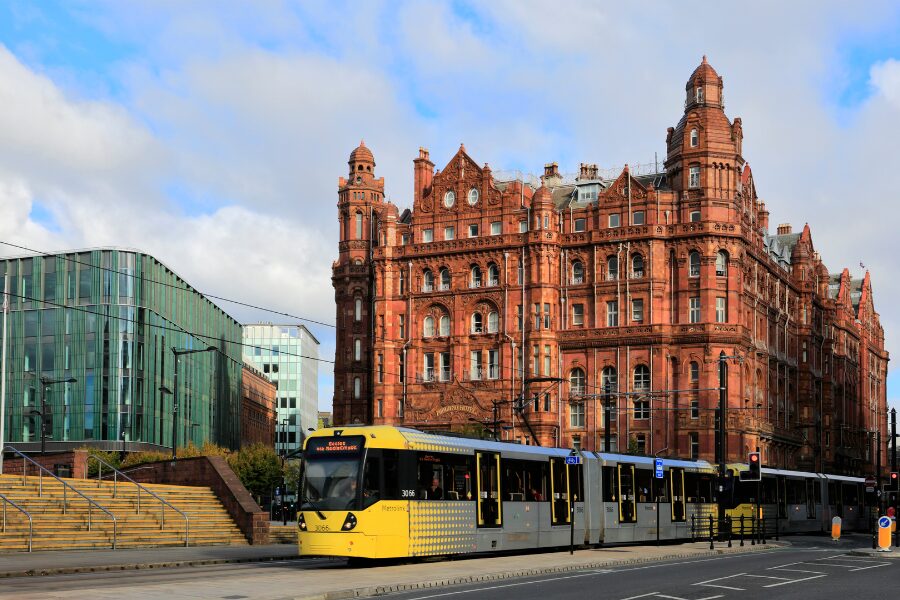
Manchester is a major city in Greater Manchester, North West England. Often called the ‘Capital of the North’, it’s historically significant as the world’s first industrialised city.

Key Information:

  • Location: North West England.
  • Status: A prominent UK city since 1853.
  • Significance: Known as a major centre for culture, economy, education, music, science, industry, and sport, famously hosting Manchester United and Manchester City football clubs.
  • Population: The city proper has over 550,000 residents, with the surrounding Greater Manchester area containing nearly 3 million people.
  • Characteristics: Features notable industrial heritage architecture, a famous music scene, extensive shopping, a diverse community, and several large universities.

Network & Connectivity Solutions: Manchester FAQ

Here are some informative FAQs about network and connectivity solutions for businesses operating in Manchester:

1. What do “Network & Connectivity Solutions” mean for a business?

Essentially, they are the technologies and services that connect your business internally (linking computers, servers, printers within your office) and externally to the internet and the wider world. This includes everything from your basic broadband connection to more complex setups like dedicated fibre lines, Wi-Fi networks, and secure private networks (VPNs). Reliable connectivity is the foundation for almost everything a modern business does, from emails and video calls to cloud computing and online sales.

2. What are the main connectivity options available for businesses in Manchester?

Manchester benefits from a wide range of connectivity options:

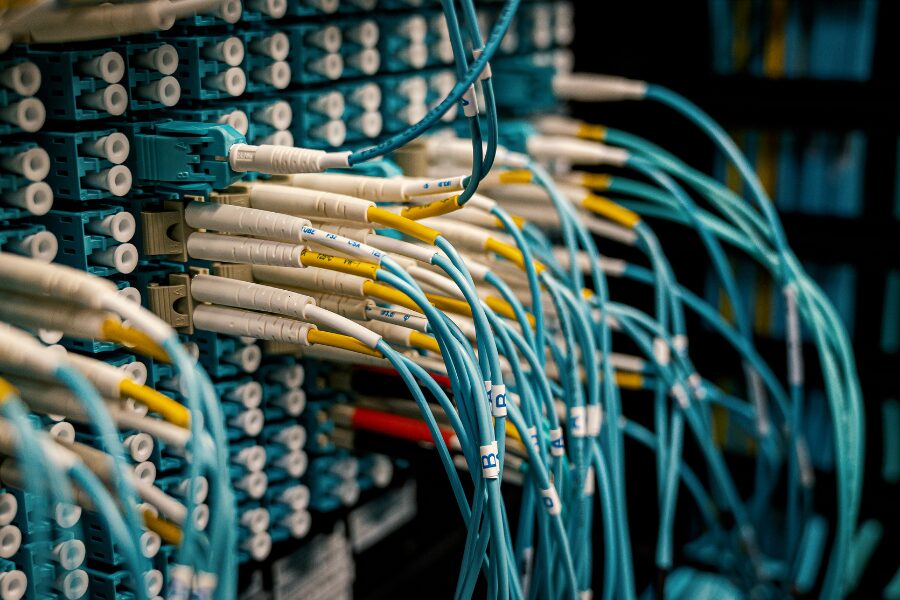
  • Fibre Broadband (FTTP/FTTC): High-speed internet delivered via fibre optic cables. Full Fibre (FTTP – Fibre to the Premises) offers the fastest and most reliable connections and is increasingly available across Manchester. FTTC (Fibre to the Cabinet) is also common, offering good speeds.
  • Leased Lines: A dedicated, private fibre connection directly to your premises, offering guaranteed speeds (symmetrical upload/download), high reliability, and enhanced security. Ideal for businesses needing consistent, high-performance connectivity.
  • 5G Mobile Broadband: Provides high-speed wireless internet access, useful as a primary connection for smaller businesses, a backup solution, or for businesses needing mobility within the city. Manchester has rapidly expanding 5G coverage.
  • Wireless Internet Connections: In areas where fibre might be difficult to install, dedicated wireless connections (using radio signals) can provide high-speed, reliable internet.

3. Why is robust connectivity so crucial for businesses in Manchester?

Manchester has a thriving digital economy, a large professional services sector, and significant media and tech hubs (like MediaCityUK). Good connectivity is vital for:

  • Supporting Hybrid/Remote Work: Enabling staff to work effectively from home or anywhere.
  • Cloud Computing: Accessing software, storage, and services hosted online.
  • Digital Transformation: Implementing new technologies, e-commerce, and online marketing.
  • Communication: Supporting VoIP phone systems, video conferencing, and instant messaging.
  • Competitiveness: Keeping pace with rivals in a fast-moving digital landscape.

4. How is Manchester’s infrastructure for high-speed internet?

Manchester generally has a strong and rapidly improving digital infrastructure. There’s significant investment in rolling out full-fibre (FTTP) networks across the city and Greater Manchester by various providers. 5G coverage is also widespread and continually expanding. While some older buildings or specific areas might still rely on older copper lines, the push towards gigabit-capable broadband is very active.

5. How does the upcoming PSTN switch-off affect Manchester businesses?

The old copper phone network (PSTN & ISDN lines) is being switched off across the UK, with the process completing by January 2027. This means any business in Manchester still relying on traditional landlines for phones, broadband (like ADSL), fax machines, alarms, or payment terminals must switch to digital alternatives (like VoIP phone systems and fibre broadband) before the deadline to avoid service disruption. It’s a mandatory nationwide upgrade.

6. What are the key benefits of upgrading my business connectivity in Manchester?

Upgrading, particularly to full fibre or a leased line, brings significant advantages:

  • Faster Speeds: Dramatically quicker downloads and uploads, boosting productivity.
  • Greater Reliability: Fibre is less prone to faults and environmental factors than copper.
  • Scalability: Easily increase bandwidth as your business grows.
  • Future-Proofing: Ensures your business is ready for future digital demands and the PSTN switch-off.
  • Improved Collaboration: Better support for cloud applications, video conferencing, and VoIP.

7. Should I choose a local Manchester provider or a national one for connectivity?

Both have pros and cons:

  • National Providers: Often offer competitive pricing and wide product ranges. May have large support networks but potentially less personalised service.
  • Local Manchester Providers: Can offer more personalised support, quicker engineer call-outs within the city, and a better understanding of local infrastructure nuances. They might build stronger relationships with local businesses.

Consider factors like cost, specific service needs (e.g., leased line requirements), required support levels, and contract terms when deciding.


Simple, Scalable & Cost-Effective Business Telephone Systems

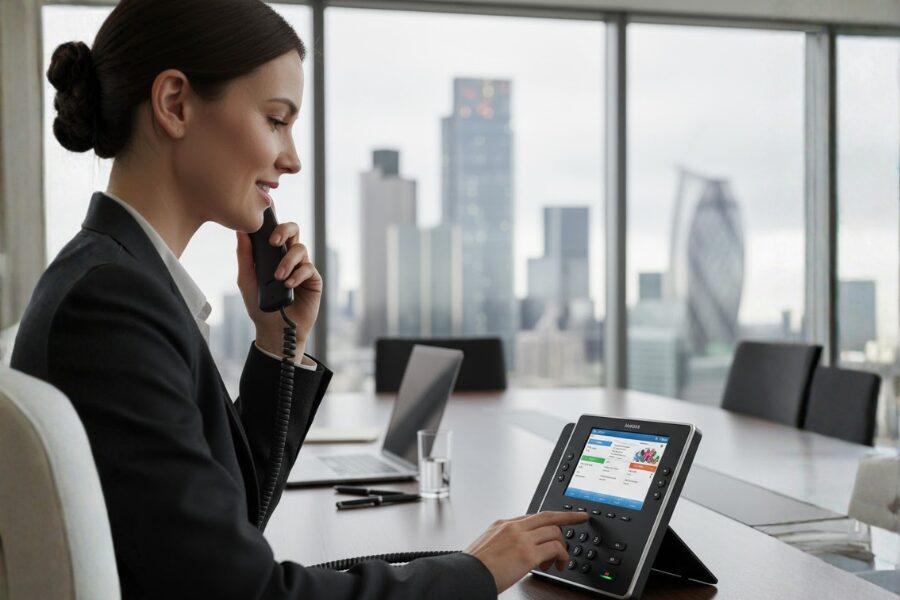
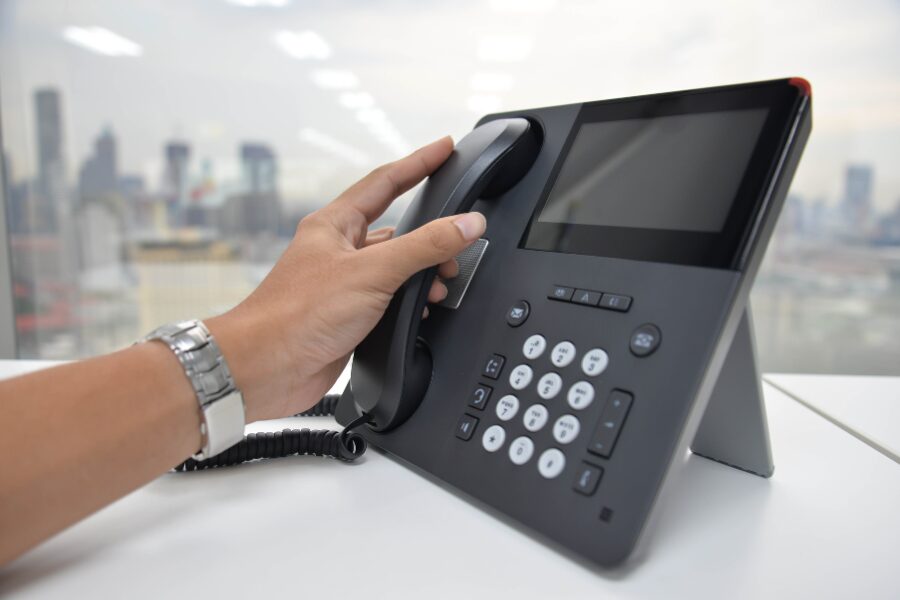
At Connect in Cloud, we provide powerful cloud-hosted telephone systems that deliver all the features of a traditional phone setup — without the high installation or maintenance costs.

Our systems are fully hosted in the cloud, reducing the risk of downtime and giving your team the flexibility to work seamlessly from the office, home, or on the go.

Whether you operate from a single site or manage multiple locations, our business phone solutions keep your team connected anytime, anywhere, and on any device — empowering your business to stay agile, efficient, and ready for growth.

Book Your Service For Network & Connectivity Solutions for Manchester city

Fast response and 24/7 support!

Integrate Your Business Tools Seamlessly

At Connect in Cloud, our small business telephone systems are built for effortless integration with the tools you already use. Out of the box, they connect with leading platforms such as Salesforce, Microsoft Dynamics, HubSpot, SugarCRM, Zendesk, Bullhorn, Pipedrive, and many more — with new integrations added regularly.

We also support less common web-based CRMs, providing click-to-dial and screen pop functionality for a smoother workflow. Plus, with native Microsoft Teams integration, you can enjoy a reliable, cost-effective telephony solution that fits perfectly within your existing Microsoft environment.

Empowering Businesses with AI-Driven Cloud Communication Solutions

At Connect in Cloud, we blend cutting-edge telecom technology with the power of artificial intelligence to make communication faster, smarter, and more reliable. Our cloud-based systems help teams stay productive, secure, and connected — from anywhere.

Trusted as the top provider of Business Telephone Systems in Atherstone

We deliver the essential technology your business depends on

No matter what challenges your business faces, we make communication simpler, more dependable, and completely hassle-free.

Our team takes the time to understand how your people work, then provides clear, practical solutions designed around your needs. From phones and broadband to more advanced systems, we’ll keep your operations running seamlessly and your team connected.

Upgrade Your Business Phone System

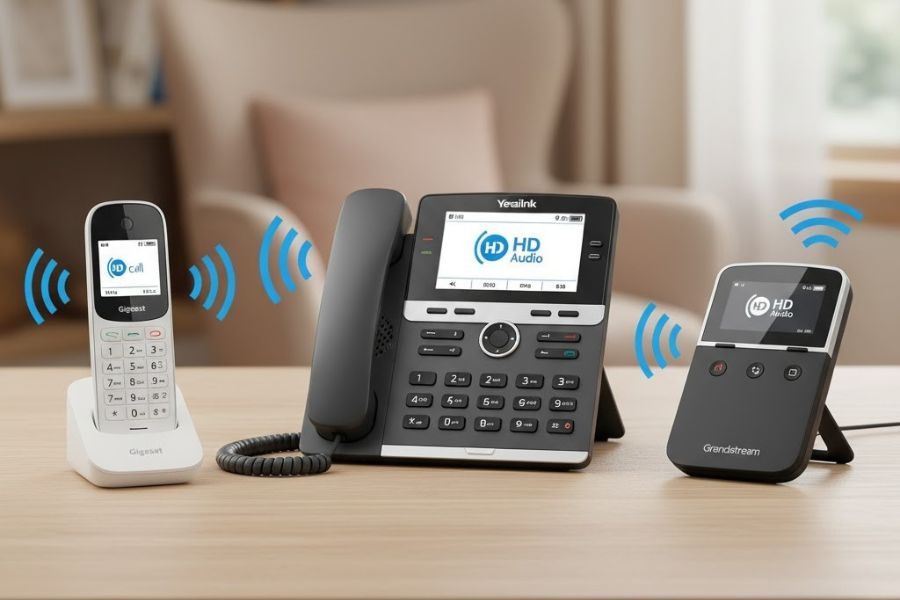
Experience our advanced business telephone systems designed for seamless app and CRM integration — with built-in analytics to keep your team connected and informed. Enjoy unlimited calling, HD video meetings, voicemail, and full Microsoft Teams integration, all from just £10 per month.

Improve Business internet Speeds

Connect in Cloud delivers high-speed fibre internet solutions designed to keep your business running at peak performance — with faster speeds, minimal downtime, and enhanced productivity for your entire team.

Fast, Reliable Managed Business WiFi

At Connect in Cloud, we deliver enterprise-grade Unifi Business WiFi solutions that provide exceptional performance, reliability, and coverage. Our expert team designs, installs, and manages wireless networks for businesses across the UK — even in the most demanding environments.

Experts in Business Mobile & Wireless Data

Switch to Connect in Cloud and get more from your business mobile solutions. Explore a wide range of mobile plans, devices, and data services, with competitive quotes from major UK networks — including EE, O2, Vodafone, and Three.

FAQs

Network & Connectivity Solutions: Manchester FAQ

Here are some informative FAQs about network and connectivity solutions for businesses operating in Manchester: 1. What do “Network & Connectivity Solutions” mean for a business? Essentially, they are the technologies and services that connect your business internally (linking computers, servers, printers within your office) and externally to the internet and the wider world. This includes everything from your basic broadband connection to more complex setups like dedicated fibre lines, Wi-Fi networks, and secure private networks (VPNs). Reliable connectivity is the foundation for almost everything a modern business does, from emails and video calls to cloud computing and online sales. 2. What are the main connectivity options available for businesses in Manchester? Manchester benefits from a wide range of connectivity options:
  • Fibre Broadband (FTTP/FTTC): High-speed internet delivered via fibre optic cables. Full Fibre (FTTP – Fibre to the Premises) offers the fastest and most reliable connections and is increasingly available across Manchester. FTTC (Fibre to the Cabinet) is also common, offering good speeds.
  • Leased Lines: A dedicated, private fibre connection directly to your premises, offering guaranteed speeds (symmetrical upload/download), high reliability, and enhanced security. Ideal for businesses needing consistent, high-performance connectivity.
  • 5G Mobile Broadband: Provides high-speed wireless internet access, useful as a primary connection for smaller businesses, a backup solution, or for businesses needing mobility within the city. Manchester has rapidly expanding 5G coverage.
  • Wireless Internet Connections: In areas where fibre might be difficult to install, dedicated wireless connections (using radio signals) can provide high-speed, reliable internet.
3. Why is robust connectivity so crucial for businesses in Manchester? Manchester has a thriving digital economy, a large professional services sector, and significant media and tech hubs (like MediaCityUK). Good connectivity is vital for:
  • Supporting Hybrid/Remote Work: Enabling staff to work effectively from home or anywhere.
  • Cloud Computing: Accessing software, storage, and services hosted online.
  • Digital Transformation: Implementing new technologies, e-commerce, and online marketing.
  • Communication: Supporting VoIP phone systems, video conferencing, and instant messaging.
  • Competitiveness: Keeping pace with rivals in a fast-moving digital landscape.
4. How is Manchester’s infrastructure for high-speed internet? Manchester generally has a strong and rapidly improving digital infrastructure. There’s significant investment in rolling out full-fibre (FTTP) networks across the city and Greater Manchester by various providers. 5G coverage is also widespread and continually expanding. While some older buildings or specific areas might still rely on older copper lines, the push towards gigabit-capable broadband is very active. 5. How does the upcoming PSTN switch-off affect Manchester businesses? The old copper phone network (PSTN & ISDN lines) is being switched off across the UK, with the process completing by January 2027. This means any business in Manchester still relying on traditional landlines for phones, broadband (like ADSL), fax machines, alarms, or payment terminals must switch to digital alternatives (like VoIP phone systems and fibre broadband) before the deadline to avoid service disruption. It’s a mandatory nationwide upgrade. 6. What are the key benefits of upgrading my business connectivity in Manchester? Upgrading, particularly to full fibre or a leased line, brings significant advantages:
  • Faster Speeds: Dramatically quicker downloads and uploads, boosting productivity.
  • Greater Reliability: Fibre is less prone to faults and environmental factors than copper.
  • Scalability: Easily increase bandwidth as your business grows.
  • Future-Proofing: Ensures your business is ready for future digital demands and the PSTN switch-off.
  • Improved Collaboration: Better support for cloud applications, video conferencing, and VoIP.
7. Should I choose a local Manchester provider or a national one for connectivity? Both have pros and cons:
  • National Providers: Often offer competitive pricing and wide product ranges. May have large support networks but potentially less personalised service.
  • Local Manchester Providers: Can offer more personalised support, quicker engineer call-outs within the city, and a better understanding of local infrastructure nuances. They might build stronger relationships with local businesses.
Consider factors like cost, specific service needs (e.g., leased line requirements), required support levels, and contract terms when deciding.

We enable your business to do more! Call us on 0203 146 2222